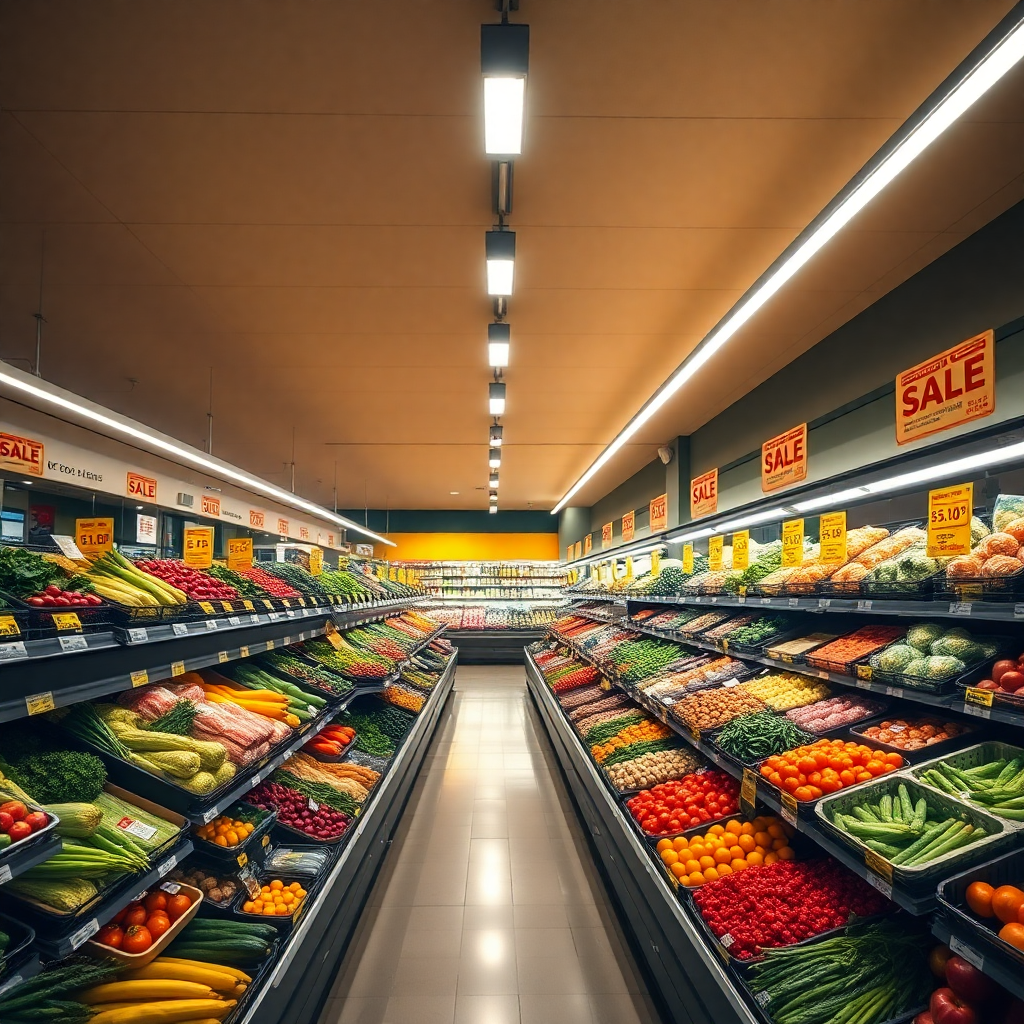
The Truth About 'Sale' Prices: How Grocery Stores Use Psychology to Make You Spend More
Walking through the aisles of Loblaws, Metro, or Sobeys, you've probably felt that rush of excitement when you spot those bright red "SALE" tags. But before you fill your cart with "deals," it's time to pull back the curtain on the psychology behind grocery store pricing. Understanding these tactics can help Canadian families like yours save hundreds of dollars while still enjoying nutritious, delicious meals.
The "High-Low" Pricing Game
Ever notice how that jar of pasta sauce seems to be "on sale" every few weeks? That's no coincidence. Many Canadian grocery chains use a strategy called high-low pricing, where they artificially inflate regular prices so their "sales" look more dramatic.
For example, a product might normally sell for $3, but stores will list the "regular" price as $4.99 and offer it at $3.49 as a "special deal." You feel like you're saving $1.50, but you're actually paying more than the true market value.
Smart shopper tip: Track prices over time using apps or simply jot down prices in a notebook. Price comparison apps like Flipp and Reebee can help you track deals across multiple Canadian grocery flyers, making it easier to spot genuine savings versus marketing tricks.
The Psychology of Bulk "Savings"
Those towering displays of canned tomatoes with "Buy 10 for $10!" signs are designed to trigger our scarcity mindset. The psychology is simple: bigger quantities feel like better deals, even when the math doesn't add up.
But here's what they don't want you to notice – you often don't need to buy 10 to get the sale price. Many stores honor the per-unit discount regardless of quantity. Plus, buying more than your family can realistically use often leads to food waste, negating any savings.
Meal planning reality check: Before loading up on bulk deals, ask yourself: "Can I realistically use 10 cans of tomatoes before they expire?" If not, you're better off buying what you need and investing those savings elsewhere.
Strategic Placement and the "Expensive Neighbours" Effect
Ever wonder why organic kale sits right next to regular kale that's "on sale"? Stores use expensive items to make moderate-priced options seem like bargains. When you see $8 organic strawberries next to $4 conventional ones, those $4 berries suddenly feel like a steal – even if they were $3 last week.
This same psychology applies to end-cap displays and eye-level shelving. The most profitable items get prime real estate, not necessarily the best deals.
How to Shop Smarter and Actually Save Money
Start with your meal plan, not the flyers. List what your family actually needs for the week, then check which stores have those items on genuine sale. This prevents impulse purchases disguised as "good deals."
Use the unit price. Those tiny numbers on shelf tags showing price per 100g or litre are your best friend. A 2-litre bottle of olive oil might seem like a better deal than a 500ml bottle until you check the unit price.
Shop multiple flyers strategically. Canadian grocery prices can vary dramatically between stores. Use tools like MySmartGrocer to compare real deals across Walmart, Costco, Independent, and others without spending your weekend driving around town.
Stock up selectively. Focus on non-perishables and freezable items when there are genuine deep discounts (30% or more off regular tracked prices). Think pasta, canned beans, frozen vegetables, and meat you can portion and freeze.
Conclusion
The next time you see those flashy sale signs, take a breath and remember: the goal isn't to buy more stuff on sale, it's to buy the right stuff at genuinely good prices. By understanding these psychological tactics and shopping with a clear plan, you can feed your family nutritious meals without falling into the marketing traps that inflate your grocery bill.
Smart meal planning combined with strategic flyer shopping isn't just about saving money – it's about taking control of your family's food budget and making every dollar count. After all, the best deal is the one that helps you serve healthy, delicious meals your family loves while keeping money in your pocket.