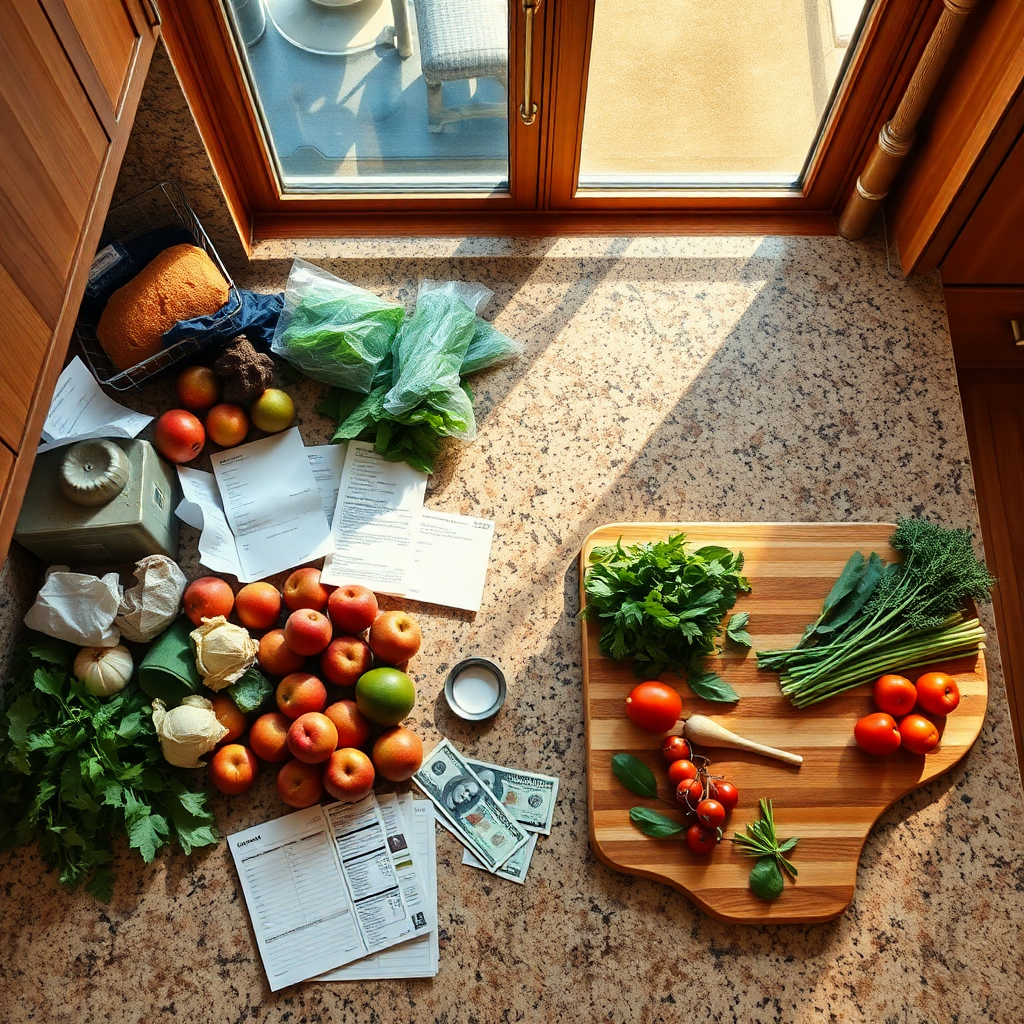
The Real Cost of Not Meal Planning: How Canadian Families Waste $1,300+/Year
Picture this: it's Wednesday evening, you're staring into your fridge wondering what to make for dinner, and you end up ordering takeout for the third time this week. Sound familiar? If you're nodding along, you're not alone—and unfortunately, this scenario is costing Canadian families more than they realize.
According to the National Zero Waste Council's research, the average Canadian family wastes over $1,300 annually on food waste. But here's the good news: with some strategic planning and smart shopping tactics, you can put that money back where it belongs—in your pocket.
Where Your Money Actually Goes
That $1,300 isn't just disappearing into thin air. It's sneaking out through several costly habits that unplanned families fall into repeatedly.
Food waste is the biggest culprit, accounting for roughly $500-700 of that annual loss. When you shop without a plan, you buy ingredients with good intentions but no clear strategy. Those bell peppers you grabbed "just in case"? They're wilting in your crisper drawer right now. The expired yogurt, the forgotten leftovers, the bulk buy that seemed like a great deal—it all adds up.
Impulse purchases drain another $300-400 yearly. Without a focused shopping list, you're vulnerable to every end-cap display and "limited time" offer. That artisanal pasta sauce might look appealing, but if it doesn't fit into an actual meal plan, it's just expensive pantry decor.
Emergency meals and takeout can easily cost $400-500 more than planned home cooking. When you haven't prepped, that $35 pizza order becomes your dinner solution—again.
The Hidden Costs Beyond Your Grocery Bill
The financial impact extends beyond food expenses. Unplanned shopping trips mean more frequent store visits, burning extra gas and time. You might hit multiple stores searching for ingredients, or pay premium prices at convenience stores when you're desperate.
There's also the opportunity cost of your time. Those extra shopping trips, last-minute store runs, and decision fatigue around "what's for dinner" add up to hours each week that could be spent with family or on activities you actually enjoy.
Nutritional costs matter too. Families without meal plans tend to rely more heavily on processed foods and restaurant meals, which are typically higher in sodium, sugar, and unhealthy fats. The long-term health implications—and potential medical costs—make poor planning even more expensive.
Smart Strategies to Reclaim Your $1,300
The solution isn't complicated, but it does require shifting from reactive to proactive grocery shopping. Start by scanning weekly flyers before you plan meals. When chicken thighs are on sale at Metro or ground beef is discounted at No Frills, build your week's menu around these deals.
Batch cooking is your secret weapon for both time and money savings. When pork shoulder goes on sale, buy extra and make pulled pork, carnitas, and soup base all at once. Freeze portions for future weeks when meat prices are higher.
Create a master shopping list organized by store layout. Include staples you use regularly, and add seasonal items when they're at peak affordability. This prevents forgotten essentials that lead to emergency store runs.
Use technology strategically—apps that track flyer deals, price-match policies, and seasonal produce availability can help you time purchases perfectly. Many Canadian grocery chains offer price-matching, so bringing flyers from competitors can save substantial money on each trip.
Making Meal Planning Work for Real Life
Start small with 3-day planning if a full week feels overwhelming. Focus on dinners first, since these tend to be the most expensive and stressful meals to figure out spontaneously.
Keep flexible backup meals in mind—dishes you can make with pantry staples when fresh ingredients don't go according to plan. Pasta with frozen vegetables, rice bowls with whatever protein is on hand, or soup made from leftover vegetables all work beautifully.
Prep ingredients, not just full meals. Washing lettuce, chopping onions, and marinating proteins on Sunday can make weeknight cooking feel effortless rather than overwhelming.
Your Path to Better Budgeting
That $1,300 represents more than just money—it's family activities, savings goals, or debt reduction you're missing out on. By implementing strategic meal planning, you're not just reducing food waste; you're reclaiming control over both your time and finances.
The best part? These changes compound over time. Once meal planning becomes habitual, you'll find grocery shopping faster, cooking more enjoyable, and your family eating better—all while keeping significantly more money in your bank account where it belongs.